If you sell into grocery, you probably already have more sales data than you can keep up with. Most retailers offer some kind of portal, and most distributors send weekly reports. The question worth asking is what those numbers are actually doing for you and how you act on them
In my experience, the data isn't the problem. Most brands just don't have the manpower to interpret it well or act on it fast enough.
What this looks like for a brand in 100 stores
Here's a scenario I see constantly. A brand gets authorized in 100 stores. Three months later, they're only selling in 75. The other 25 never got product on the shelf, or got it briefly and then voided it out, or it's sitting in a back room with no one to pack it out.
The brand built its forecast around 100 stores, so they're already behind on their numbers. And when they walk into the next category review, they're not telling a story about a successful launch. They're explaining to the buyer why a quarter of their distribution never showed up. That's not a conversation you want to have with someone who controls your shelf space.
What makes this worse? The information is usually available. Most retailer portals will show you exactly which stores aren't scanning. The problem is that most brands respond by emailing their category manager and asking them to push the product out. Sometimes that email gets a reply. More often it gets lost, and 90 days later the same 25 stores are still dark.
The data told them what was wrong. It just couldn't fix it.
Out of stocks are hard to fix when you can't prove them
Out-of-stocks work the same way, but they're harder to address because most brands don't have data specific enough to move a retailer.
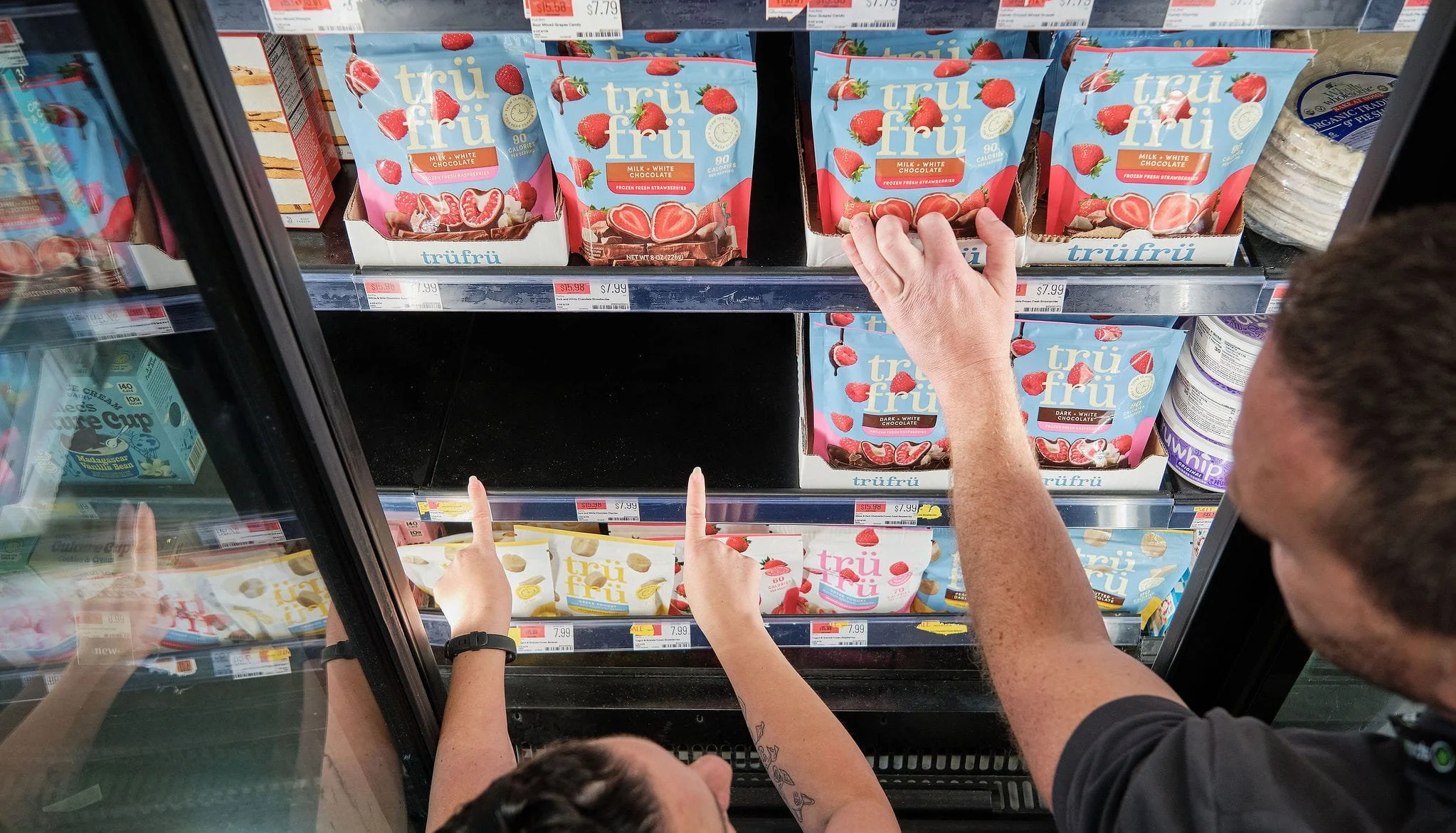
Every brand feels like their product goes out of stock too often. They walked into a store on a Saturday and saw an empty shelf. They got a text from a friend who couldn't find it. But anecdotes don't move category managers. "We feel like we're out of stock a lot" gets you nowhere. "Across 2,000 store visits last month, our chocolate peanut butter SKU was out of stock 25% of the time" gets a completely different response.
The problem is generating that kind of data requires consistent store coverage, with someone recording what they see, week after week, across enough accounts to produce something representative rather than anecdotal. Most brands don't have that volume. So they raise the issue once or twice, can't back it up, and eventually drop it.
The shelf doesn't fix itself. Every out-of-stock day is a day the product is selling slower than it should, and the retailer's ordering system won't correct the underlying problem. Somebody has to point at specific stores, specific SKUs, and specific patterns before anything changes. That means either building the field presence yourself, or putting someone in stores who can do it for you.
Where to actually spend your time
If you're managing retail execution yourself, or with a small team, prioritization is everything.
If you're in 50 stores, you cannot give all 50 equal attention. The velocity difference between your top 10 accounts and your bottom 10 is dramatic, and the mistake I see brands make most often is spending time where it's comfortable rather than where it's valuable. Visiting the slow store because it's close to your house means protecting a few hundred dollars of weekly sales while leaving real money on the table at your highest-velocity accounts.
Start with your 10 highest-velocity accounts and make sure those are airtight. Visit them yourself or make sure someone is visiting them regularly. Confirm the product is on the shelf, that the team knows your brand, and that you're not just another item in the set. Once those are dialed in, move to the next tier. Work through the list over multiple months rather than trying to fix everything at once, and don't assume any of it stays right without someone watching.
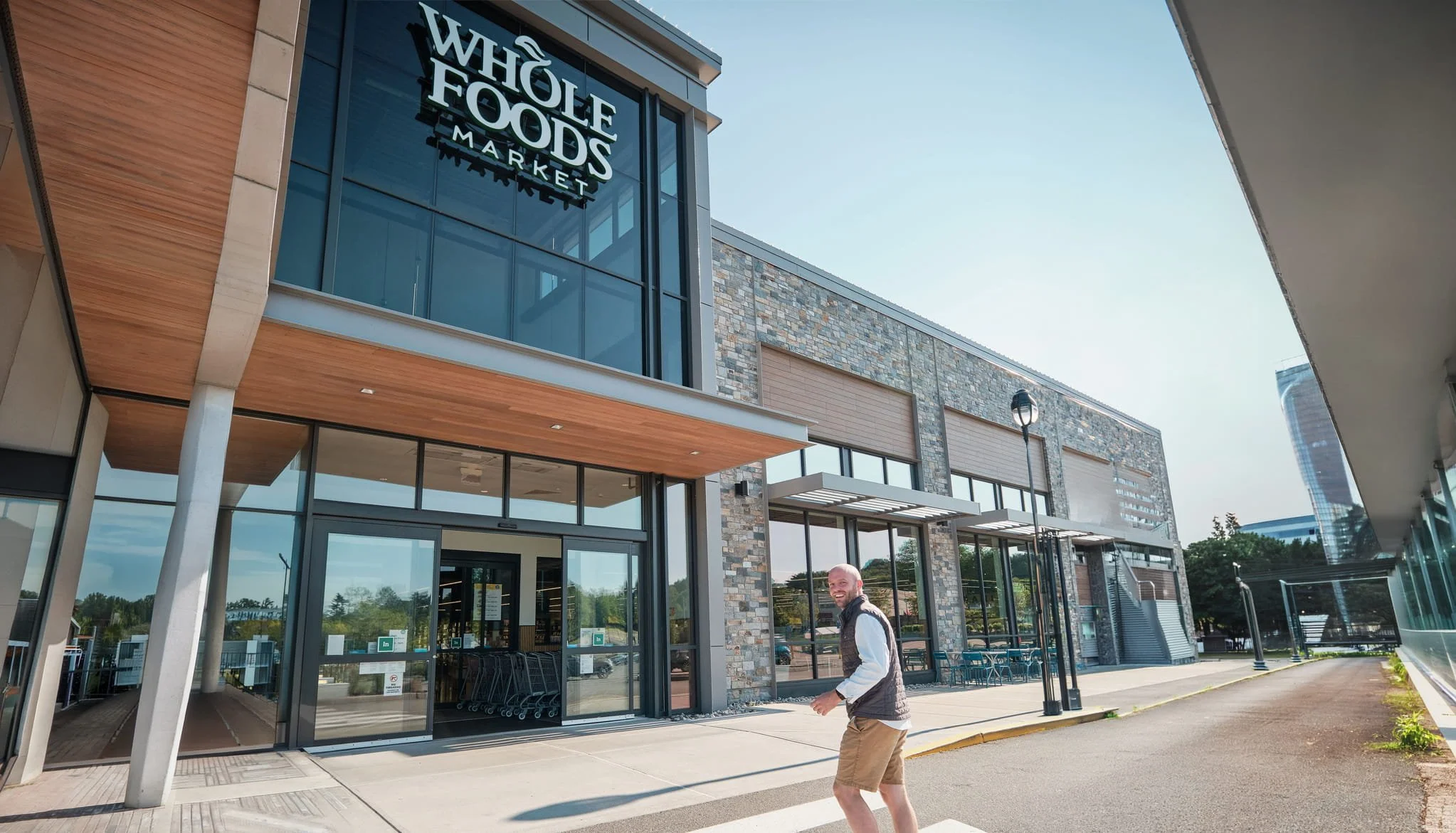
If you're in Whole Foods, learn the portal well and use it weekly, if not daily. The same goes for any retailer or distributor portal you can access. That data is your map, but only if you're using it to prioritize action rather than just monitor numbers. Watching a store go dark in the portal and not having anyone to send there is the same as not having the portal at all.
Conventional retail is harder because the data picture is murkier. You generally won't have the same daily visibility you'd get in natural, so the strategy in conventional shifts toward showing up during the moments that matter most.
Two events deserve disproportionate attention: promotions and resets. When you go on promo, you've paid the retailer to lower your price, and that investment only pays off if the promotion actually shows up in the store. I've seen brands technically on promo for a month where the display never got built and the tag never got hung, which means the discount got applied to nobody because nobody knew it was happening. You need someone in stores during promo windows to confirm the investment is hitting the floor. Resets are when new items actually make it onto shelves, so if you have new SKUs going in, you need to verify they landed where they were supposed to. If they didn't, you've lost months of selling time and likely hurt your position for the next reset cycle.
Brokers are not field teams
One thing worth saying clearly, because new brands get this wrong more than you'd expect.
A broker is not a substitute for field execution. Brokers are valuable. They submit paperwork, get you authorized for new items, and manage corporate-level relationships. That's real and useful work. But their business is built around office relationships, not store visits. When a broker says they have a field team, it often means 12 people covering 5,000 stores, which is a quarterly visit if you're lucky, and a quarterly visit won't catch the out-of-stock that's been eroding your velocity for six weeks.
What you'll get from most brokers is a report. What you won't get is someone who was actually in the store, found the problem, and fixed it before it cost you sales. Those are different things, and it's worth knowing which one you're paying for.
If a broker is telling you they handle execution, ask them how many people they have in the field. Ask how many visits they make to your specific accounts. Ask what they're recording on each visit and how often they share it back with you. The answers will tell you what you need to know.
The point is action, not data
There's no shortage of data in retail. What's in short supply is the field presence to act on it.
If your brand is underperforming somewhere, the register will tell you eventually, but by then the buyer probably knows too and the conversation gets harder. The goal is to catch problems early enough to fix them, and that requires someone with eyes on the shelf, not just eyes on a report.
That's what data-driven execution actually means: faster decisions with proof behind them, and someone on the ground to follow through.